The Golden Dilemma

Chris Isidore
| 15-04-2026
 · News team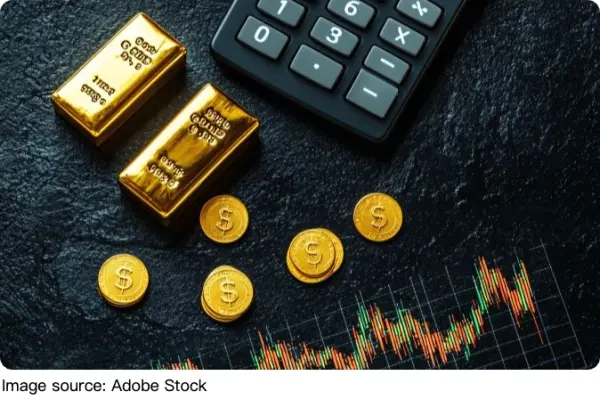
For thousands of years, humans have been obsessed with a heavy, yellow metal that serves no major industrial purpose yet commands the respect of every central bank on Earth.
When the world feels unstable and traditional currencies begin to flutter like autumn leaves, we all look toward gold as the ultimate life jacket.
But here is the catch: in the modern age, "buying gold" can mean three very different things. You could end up with a heavy bar in your sock drawer, a digital certificate in your banking app, or a fluctuating ticker symbol on your phone. If you choose the wrong path, your "safe haven" might actually be a sinkhole of hidden fees and liquidity traps.
The Heavy Reality of Physical Gold
There is an undeniable psychological comfort in holding a solid gold bar. It is the only form of wealth that doesn't depend on a computer screen or a functioning electrical grid. However, for the average person, physical gold is often the most expensive way to stay safe. When you buy a gold coin or bar, you aren't just paying the market price; you are paying a "premium" for the craftsmanship, the minting, and the dealer's profit.
Furthermore, physical gold comes with the "burden of possession." You must pay for a high-quality safe or a secure bank locker, adding an annual "storage tax" to your investment. When it comes time to sell, you face a "liquidity discount." Dealers will rarely buy it back at the full market rate, and they will scrutinize every scratch. If you want a small amount for a "doomsday" scenario, physical is fine, but as a pure financial tool, it is the slowest and costliest ship in the harbor.
The Digital Speed of ETFs and Paper Gold
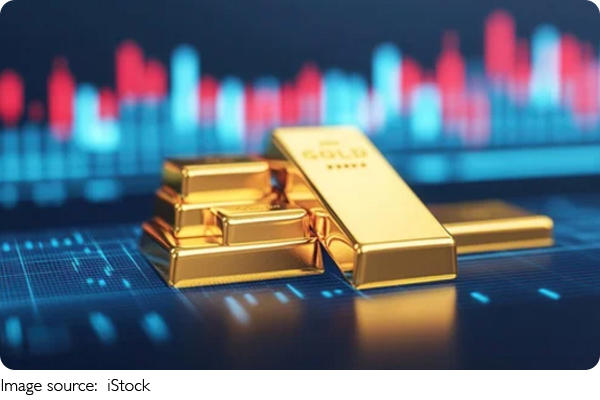
If you view gold as a chess piece in your portfolio rather than a survival tool, digital versions offer much higher efficiency. Gold ETFs (Exchange-Traded Funds) and "Paper Gold" accounts allow you to track the price of the metal without ever touching a single gram. This eliminates the need for safes and insurance, but it introduces a different set of risks and rewards.
Comparing the Hidden Costs
• Gold ETFs: These are backed by physical gold held in massive vaults. You pay a small annual management fee (often less than 0.5%), but the liquidity is instant. You can sell your "gold" at the click of a button during market hours.
• Paper Gold: These are often banking products where the bank "owes" you the value of gold. They have very low entry barriers, but you must check if they are "allocated" (meaning a specific bar belongs to you) or "unallocated" (meaning you are just a creditor to the bank).
• Trading Spreads: Digital gold usually has a much tighter "spread" than physical gold. The difference between the buying and selling price is minimal, making it far superior for those who might need to liquidate their assets quickly.
• Counterparty Risk: Unlike physical gold, digital gold requires you to trust an institution. If the bank or the fund manager fails, your digital certificate might become a very expensive piece of electronic "paper."
Finding the Optimal Strategy
The "best" choice depends entirely on your objective. If your goal is "insurance" against a total systemic collapse, you need a small amount of physical gold in your direct control. However, if your goal is "inflation protection" and wealth growth, the efficiency of an ETF is unbeatable.
For most people, the optimal strategy is a hybrid approach. Keeping 10% of your gold holdings in physical form provides peace of mind, while the remaining 90% in a low-cost ETF ensures that your wealth remains mobile and isn't eaten away by high storage fees or dealer markups. You must treat gold like a tool: you don't use a sledgehammer to hang a picture, and you don't use a physical bar to trade a short-term market cycle.
Ultimately, gold is a mirror of our fears and our foresight. We buy it because we know that history is a cycle of growth and correction. But true "safety" isn't just about what you own; it is about how much of that value you can actually keep when you need it most. Don't let the shimmer of the metal blind you to the math of the transaction. A smart investor knows that the weight of the gold in your hand doesn't matter nearly as much as the weight of the fees in your contract. Whether it is in a vault or in your palm, make sure your gold serves your future, rather than just decorating your anxiety. In the end, the most valuable asset isn't the gold itself, but the wisdom to know which version of it truly has your back.