Solar Investment Potential

Naveen Kumar
| 09-04-2026
 · News team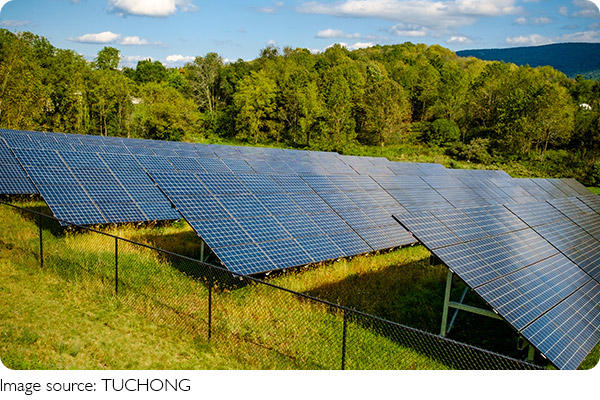
Driving past neighborhoods or commercial buildings, have you noticed rooftops gleaming under the sun?
More often than not, those reflective panels aren't just architectural choices—they are photovoltaic installations turning sunlight into electricity, and increasingly, into financial opportunity.
For individual investors, solar energy represents a new frontier where sustainability and returns intersect.

Why Photovoltaics Attract Investors
Photovoltaic technology converts sunlight into electricity, offering a renewable, clean energy source. Beyond environmental benefits, its financial appeal lies in predictable energy production and potential savings. Homeowners or small investors installing rooftop panels often benefit from reduced electricity bills, while commercial entities may generate surplus energy for sale. Furthermore, government incentives and tax credits in many regions reduce initial installation costs, making the investment more accessible. Recognizing these factors helps investors see photovoltaic systems as a tangible asset rather than abstract stock performance.
Understanding Investment Models
Investing in photovoltaics can take several forms:
1. Direct Installation – Purchasing and installing solar panels on a property allows investors to directly reap energy savings or revenue from excess electricity. This approach demands upfront capital but provides long-term value and predictable returns.
2. Solar Funds or ETFs – For those less inclined toward physical installations, solar-focused exchange-traded funds or mutual funds offer exposure to companies developing panels, inverters, and energy storage solutions. Diversification within a fund spreads risk across the sector while still participating in its growth.
3. Community Solar Programs – These initiatives allow individuals to invest in shared solar farms, earning returns from generated energy without owning panels. This model lowers barriers to entry and is ideal for those renting or unable to host rooftop systems.
Each approach requires understanding costs, maintenance, and expected returns. Evaluating these factors ensures alignment with both financial goals and personal capacity for involvement.
Evaluating Risks and Returns
While photovoltaic investments offer promising potential, they are not without risks. Technological changes may impact panel efficiency or market value, while regulatory shifts can alter incentives. Weather and geographic location affect energy production, influencing returns. However, studies indicate that well-maintained systems in sunny regions typically recoup installation costs within 5–8 years, with steady savings or revenue thereafter. For funds and ETFs, market fluctuations are influenced by broader economic conditions, technological innovation, and energy demand trends. Awareness of these dynamics enables investors to make informed decisions rather than reacting to short-term news.
Aligning with Long-Term Goals
Photovoltaic investments complement long-term financial strategies. For individuals prioritizing sustainability and growth, solar energy provides dual benefits: contributing to environmental responsibility and building tangible financial value. Consistent monitoring of system performance, fund performance, and policy developments ensures investments remain aligned with evolving goals. For instance, reinvesting energy savings into diversified assets can amplify long-term wealth accumulation.
Practical Steps for Getting Started
1. Assess your location and sunlight exposure if considering rooftop panels.
2. Compare installation costs, maintenance requirements, and expected energy output.
3. Research available funds or ETFs, reviewing historical performance and expense ratios.
4. Evaluate community solar options if direct installation is not feasible.
5. Set realistic return expectations, factoring in incentives, costs, and market conditions.
By methodically analyzing options and calculating potential returns, investors can approach photovoltaic opportunities with clarity and confidence.
Solar energy investment is more than a trend—it represents a convergence of environmental awareness and wealth-building potential. By understanding technology, exploring investment models, and aligning choices with personal goals, individuals can turn sunlight into measurable value. Every rooftop panel or fund share becomes part of a broader strategy where sustainability and financial growth reinforce each other, offering a pathway for both responsible and rewarding investing.