Timing Equals Wealth
Ethan Sullivan
| 09-04-2026
 · News team
Hello, Lykkers! Luxury assets aren’t just for personal enjoyment—they can be powerful tools for wealth creation. From rare watches and vintage cars to fine art and designer collectibles, these items often appreciate over time, but timing plays a crucial role in maximizing returns.
Understanding market trends, scarcity, and economic cycles can make the difference between a profitable investment and a costly mistake.
What Makes Luxury Assets Valuable
Luxury assets derive their value from a combination of rarity, quality, brand reputation, and cultural significance. Unlike traditional stocks or bonds, these assets are tangible and often less correlated with the broader financial markets. However, they are not entirely immune to economic cycles.
Key factors that influence appreciation include:
Scarcity: Limited editions or discontinued items tend to hold or grow in value.
Condition and Provenance: Well-preserved items with verified authenticity command premium prices.
Market Trends: Collectors’ tastes shift over time, creating spikes in demand for certain categories.
The Importance of Timing
Timing is critical in luxury investing. Buying at the wrong time—during a market hype or immediately after a new release—can limit future returns. Similarly, selling too early may mean missing substantial appreciation.
James Marks, a seasoned collector and investment strategist with over 20 years of experience in alternative assets, notes: “Luxury assets perform best when investors understand the cycle of demand. Patience and careful market observation often yield far better returns than rushing into purchases based on trends.”
Strategies for Timing Luxury Investments
1. Research Market Cycles: Just like stocks, luxury assets experience cycles. Understanding when a particular asset class is undervalued can provide opportunities for long-term gain.
2. Invest in Iconic Pieces: Items with historical significance or brand recognition tend to appreciate steadily. For example, Rolex watches, classic Ferraris, and Banksy artwork have shown consistent growth over decades.
3. Watch Auction Trends: Monitoring auction results can reveal which items are gaining popularity, signaling when to buy or sell.
4. Consider Global Economic Conditions: Luxury assets often respond to macroeconomic factors. During economic booms, prices rise faster; during downturns, demand may stagnate, offering buying opportunities.
5. Diversify Across Categories: Rather than concentrating on one type of luxury asset, spreading investments across watches, cars, and art reduces risk while capturing appreciation potential from multiple sources.
Risks to Keep in Mind
Luxury investing carries unique risks that differ from traditional markets:
Liquidity Risk: Some luxury items may be difficult to sell quickly without sacrificing value.
Authenticity Concerns: Counterfeits or undocumented provenance can drastically reduce returns.
Market Sentiment: Popularity trends can be volatile, with sudden drops in interest impacting value.
Storage and Maintenance: Physical items require care, which can incur additional costs over time.
By understanding these risks and timing purchases strategically, investors can maximize appreciation while minimizing potential pitfalls.
Long-Term Perspective
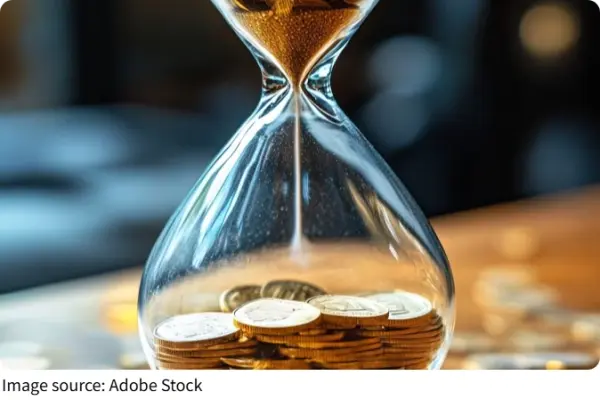
Luxury assets reward patience, research, and strategic timing. They are not a get-rich-quick option but a long-term wealth-building tool. Lykkers, the key is to combine market awareness with careful selection, focusing on items with proven scarcity, iconic status, and historical performance.
With the right timing, luxury assets not only provide aesthetic pleasure but can also serve as a valuable hedge against inflation and a robust complement to a diversified investment portfolio.