Value Your Time

Caleb Ryan
| 16-04-2026
 · News team
We often hear the phrase 'time is money,' but its true meaning goes beyond financial gain. Every minute lost is an opportunity that can never be reclaimed. Imagine a professional who spends hours on distractions — those moments could have been invested in learning, creating, or connecting with others.
Recognizing the finite nature of time encourages us to act intentionally, treating each moment as a valuable resource rather than an endless commodity.
Time Management as an Investment
Effective time management turns minutes into measurable returns. By prioritizing tasks and eliminating unnecessary distractions, we can focus on what truly matters. Three practical strategies make a real difference:
• Plan Ahead — Allocate time blocks for key activities and stick to a schedule.
• Set Boundaries — Learn to say no to tasks or interruptions that do not align with your goals.
• Use Tools Wisely — Digital calendars, timers, and task lists can maximize efficiency and keep progress visible.
These strategies allow time to compound like a financial investment, where consistent effort leads to substantial long-term benefits.
Time and Personal Growth
Investing time wisely is not only about productivity — it's about personal growth. Every hour spent reading, practicing a skill, or reflecting on experiences enriches life in ways money cannot buy. Three key areas yield strong returns:
• Learning — Dedicate time to acquire knowledge that improves skills or broadens perspectives.
• Health — Allocate time for physical activity, sleep, and restorative practices, which enhance energy and longevity.
• Relationships — Time spent nurturing meaningful connections strengthens emotional well-being and creates lasting memories.
The returns on these investments are intangible yet profoundly impactful.
Time in the Workplace
In professional settings, valuing time translates directly into efficiency and success. Meetings with clear agendas, focused work sessions, and well-structured projects prevent wasted hours.
Employers and employees alike benefit when time is treated as a resource: productivity rises, deadlines are met, and stress decreases. Recognizing that time cannot be earned back encourages accountability and fosters a culture of respect for each person's schedule.
Reflection and Action
Understanding that time is wealth requires daily attention. Start by auditing how you currently spend your hours — identify areas where time is squandered and redirect it toward purposeful activity.
Treat small increments seriously; even five minutes of focused work or reflection can accumulate into meaningful outcomes over weeks and months. Those who manage their time with intention not only achieve goals faster but also experience a richer, more balanced life.
Expert Insight
Peter Drucker, management consultant and strategist, said that time is the scarcest resource and unless it is managed well, nothing else can be managed, and that effective executives start not with their tasks but with their time — understanding precisely where it goes before attempting to manage it.
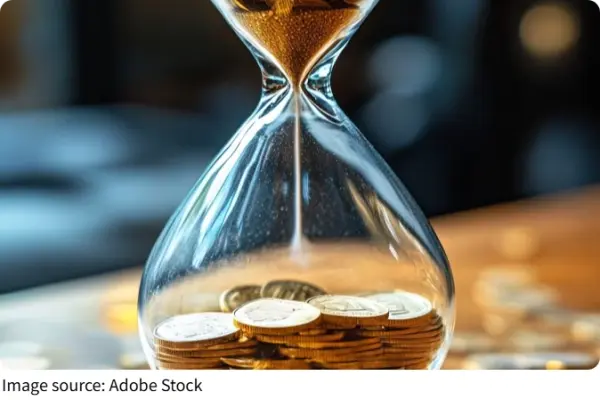
Time cannot be stored, borrowed, or recovered once lost. Viewing it as a currency reminds us to spend wisely, invest in growth, and treasure the moments that define our lives. Time is the one resource that levels the playing field — and those who use it with intention always have the advantage.