Digital Assets Go Big?

Liam Reilly
| 05-04-2026
 · News team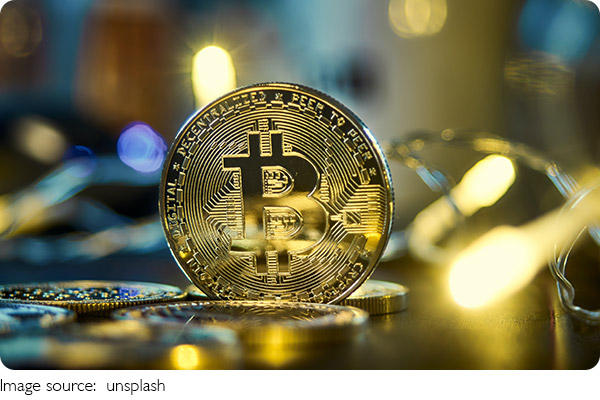
Introduction
Digital assets are no longer sitting at the edge of finance as a curiosity for speculators and technology enthusiasts. They are moving steadily into the center of capital markets, payments, and portfolio construction. That shift matters because the conversation is no longer only about price swings. It is now about infrastructure, settlement speed, tokenization, and how value moves globally.
Mainstream Shift
The strongest sign of change is scale. Digital assets have grown into a multi-trillion-dollar market, showing that adoption is no longer limited to niche users. Financial firms, corporations, and larger investors are paying closer attention because these tools promise faster transactions, lower frictions, and greater transparency. In finance, systems that reduce delay and cost rarely stay peripheral for long.
Why It Matters
Traditional financial systems often depend on layered intermediaries, limited operating hours, and slow settlement processes. Digital assets challenge that model by offering near-continuous trading, rapid transfer, and more programmable forms of value exchange. That does not mean old systems vanish overnight. It means a new set of financial rails is being built, one that may gradually reshape how markets function.
Beyond Crypto
A major change in the conversation is that digital assets are no longer viewed only through the lens of major cryptocurrencies. The broader theme now includes tokenization, which means representing different types of assets digitally on blockchain-based systems. This expands the story from a narrow focus on coins toward a wider financial question: how many asset classes can become easier to trade, track, and settle?
Institutional Entry
Large financial firms have started treating digital assets less like an outsider market and more like an emerging allocation category. Once institutions begin exploring exposure, custody, trading access, and client demand in a serious way, the market changes character. Greater institutional presence can improve liquidity, broaden legitimacy, and strengthen the infrastructure supporting the asset class across different financial channels.
Portfolio Debate
Digital assets are also entering portfolio discussions in a more formal way. Some investors see them as a potential inflation hedge, others as a long-term technology-driven growth theme, and others as a tactical risk asset. These views vary widely, but the financial significance lies in the fact that serious capital is now evaluating digital assets alongside more established holdings.
Bitcoin’s Role
Bitcoin still holds a central position in this space because it remains the most recognized and widely discussed digital asset. Its appeal often comes from scarcity, global recognition, and the belief that it may serve as a hedge against currency erosion or monetary instability. Yet its role is complex. High long-term returns have attracted attention, but those returns came with exceptional volatility.
Volatility Warning
That volatility is one of the most important facts in the entire asset class. Digital assets can produce sharp advances, but they can also experience deep declines over relatively short periods. For investors, this means position size matters enormously. A small allocation may seem manageable, but even that can change total portfolio risk more than expected because the swings are much larger than in many traditional assets.
Stablecoin Rise
Stablecoins are becoming one of the most commercially important parts of the market because they combine blockchain efficiency with lower perceived price instability. By linking value to a reference asset, they offer a more practical medium for transfers, settlement, and payments. In finance, usefulness often drives adoption faster than excitement, and stablecoins are increasingly being studied through that practical lens.
Payment Utility
Their appeal is straightforward. Stablecoins can move across borders quickly, operate without many of the delays found in older systems, and fit naturally into digital workflows. That makes them relevant not just for investors, but also for payment operations, treasury management, and financial platforms exploring faster money movement. When an asset becomes useful for real transactions, its financial relevance strengthens.
Rule Clarity
Another major factor behind adoption is improving regulatory clarity. Markets develop more confidently when participants understand the rules governing issuance, reporting, and operational standards. Clearer frameworks do not remove risk, but they do reduce uncertainty. In financial services, uncertainty often slows institutional involvement more than technology limitations do. Better rules can therefore act like an accelerant for broader adoption.
Cycle Reality
Even with stronger adoption, digital assets remain cyclical. The market has shown repeated periods of enthusiasm followed by deep retrenchment. That pattern matters because investors can mistake broader acceptance for immunity from downturns. Mainstream recognition does not cancel volatility. A market can become more institutionally relevant while still moving through harsh and emotionally difficult cycles.
Infrastructure Growth
What makes the current phase different is the expanding infrastructure around the asset class. Trading platforms, derivatives markets, wealth access, custody systems, and tokenized products are all becoming more sophisticated. This changes the economics of participation. A market supported by stronger infrastructure becomes easier to access, easier to price, and easier to integrate into existing financial operations.
Token Future
The next stage may be less about whether digital assets survive and more about which parts of finance are gradually transformed by digital representation. Multi-asset token structures, broader wealth-platform access, and more seamless trading frameworks could shift how investors and firms think about ownership, settlement, and asset mobility. In other words, the future may be larger than cryptocurrency alone.
Discipline Needed
Still, none of this removes the need for caution. High opportunity does not equal low risk. The source material makes clear that digital assets can introduce outsized portfolio volatility, and that even optimistic long-term expectations come with meaningful uncertainty. Financial progress in this area will likely reward disciplined strategies, sensible sizing, and a serious effort to understand the mechanics behind the excitement.
Conclusion
Digital assets are moving into the financial mainstream because they offer speed, flexibility, programmability, and new ways to structure value. Institutions are paying attention, stablecoins are gaining practical importance, and tokenization is broadening the market’s relevance. Yet risk remains substantial, especially for investors who confuse adoption with stability. If digital assets are becoming part of modern finance, how should strategy evolve before enthusiasm moves faster than understanding?