Psychology of Premium

Kwame Johnson
| 30-03-2026
 · News team
Hey Lykkers! Have you ever walked past a gleaming jewelry showcase, spotted a beautiful gold bracelet, and then blinked at the price tag? A little voice in your head does the math: "Gold is about... let's say... this much per ounce. That price is five times that. What am I actually paying for?"
That, right there, is the multi-billion dollar magic trick of the luxury jewelry industry.
The price isn't just for the metal and stones; it's for the story, the status, and the soul that a brand like Cartier, Van Cleef & Arpels, or Tiffany has spent a century building. Let's pull back the velvet curtain on how desire is engineered and value is manufactured far beyond the weight of the materials.
The Foundation: Crafting an Immortal Story
The first ingredient is a narrative so powerful it feels like a fairy tale. It's not about selling a bracelet; it's about selling a piece of history, romance, or rebellion.
Take Cartier's iconic "Love" bracelet, designed in the 1970s. It required a special screwdriver to put on, symbolizing locked-in commitment. Luxury brands aren't just selling products; they're selling dreams, status, and exclusivity. This story transforms a functional item into an emotional emblem, and that emotion carries a massive premium.
The Signature: Design as a Recognizable Language
Luxury brands create a visual shorthand so potent you can identify them from across a room. The intertwined circles of a Van Cleef & Arpels Alhambra, the panther motif at Cartier, the blue box from Tiffany & Co.—these are more than designs. They are status codes.
This visual language does the talking for you. Wearing one signals taste, wealth, and membership in a certain group. You're paying for the silent, powerful communication the piece enables.
The Ritual: An Experience Wrapped in a Purchase
The act of buying is engineered to feel fundamentally different from any other transaction. The hushed salon, the white-gloved presentation, the careful unwrapping—it's a ritual. This theatrical experience creates a powerful memory linked directly to the object, a phenomenon psychologists call the "peak-end rule."
This meticulous staging is no accident. "For luxury brands, packaging is the tangible part of the experience," added Voyer. "A luxury store is something that is unique and something that causes the consumer to see a lot of value in the products that they want to purchase. However, the packaging is what will stay with the consumer".
The Genius of Scarcity and Heritage
Finally, luxury brands masterfully manipulate two powerful economic principles: scarcity and timelessness.
Scarcity: Limited editions, special collections, and the sheer difficulty of acquiring certain pieces (like waiting lists) create perceived scarcity. As the basic economic principle goes, limited supply + high demand = higher value.
Heritage: Unlike a trendy fast-fashion item, a piece from a heritage brand is positioned as a future heirloom. It's sold not as a consumable, but as a legacy asset. This shifts its perceived value from "cost for now" to "investment forever."
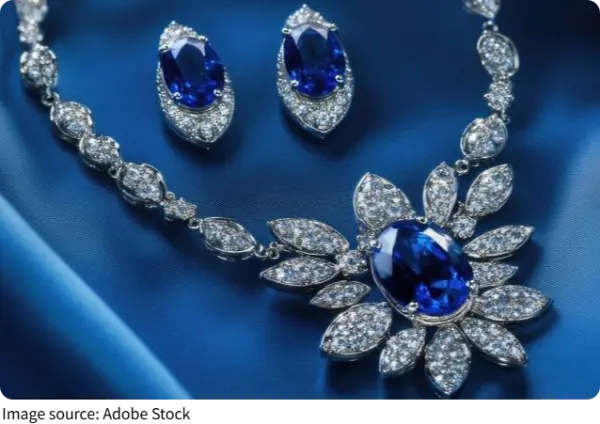
So, Lykkers, the next time you admire a stunning piece of luxury jewelry, appreciate it for the marvel it is: not just a feat of craftsmanship, but a triumph of psychology, storytelling, and economic engineering. The real luxury isn't the gold; it's the dream you're buying into. What story would you want to wear?