Gold's Lasting Power

Liam Reilly
| 02-12-2025
 · News team
Gold has maintained its status as a universally admired precious metal despite the presence of other metals that are often more expensive by market price.
Its timeless allure transcends mere cost, rooted in a unique combination of characteristics that distinguish it from even rarer or pricier elements.
1. Balanced Rarity: The Perfect Scarcity
Gold's value is deeply connected to its balanced rarity. Unlike metals such as rhodium or platinum, which can be pricier but extremely scarce and almost exclusively industrial, gold strikes a critical equilibrium. It is rare enough to signify exclusivity but sufficiently abundant to serve as a reliable store of value accessible to individuals worldwide.
This balance allows gold to be mined, held, traded, and passed down across generations with relative ease, unlike metals that are prohibitively scarce or industrially consumed. Approximately 208,000 tons of gold have been mined historically, a quantity that supports widespread economic and cultural use without diluting its prestige or availability.
2. Exceptional Durability and Stability
Gold's remarkable resistance to corrosion, tarnishing, and chemical reactions sets it apart fundamentally from many other metals. This inherent durability ensures that gold artifacts and coins can survive in pristine condition for thousands of years, a testament to its lasting physical integrity.
Unlike metals prone to oxidation or degradation, gold retains its luster and structural unity regardless of environmental conditions. This physical longevity not only contributes to its desirability as jewelry and art but also solidifies its reputation as a stable asset that preserves wealth over long periods.
3. Unique Physical and Chemical Properties
Gold exhibits chemical inertness unmatched by most metals, which contributes to its long-standing value. Its excellent electrical conductivity, thermal stability, and biocompatibility extend its applications beyond mere ornamentation. For instance, it is critical in advanced electronics, aerospace, and medical devices due to its ability to conduct electricity efficiently without corrosion and to withstand extreme temperatures. Additionally, its malleability—the capacity to be shaped into ultra-thin sheets or delicate wires makes it indispensable for technological innovation, enhancing its value in fields unrelated to traditional investment or decoration.
4. Cultural and Historical Significance
Gold's value is intricately woven into human history and culture. From ancient civilizations across Africa, Asia, and Europe, including the Egyptians and Romans, to contemporary societies, gold has symbolized wealth, power, and high social status. It was historically the standard for currency, cementing its role as a universal medium of exchange and a trusted store of wealth that transcended borders. This long-standing cultural reverence reinforces its attractiveness and trustworthiness as an asset. Gold embodies both material and symbolic wealth, qualities other metals, regardless of cost, rarely achieve.
5. Established Economic Role and Trust
Unlike more expensive metals primarily used in industrial applications, gold holds a unique economic status. It has served as a financial reserve for central banks, a hedge against inflation, and a safe haven during economic uncertainty. Its liquidity and acceptance worldwide make it a prime asset for wealth preservation.
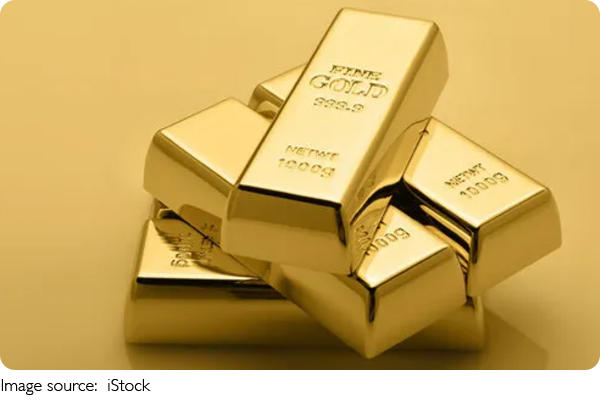
Gold's market is also highly transparent and regulated, which further enhances trust among investors. This enduring economic role contributes significantly to its value, distinguishing it from metals whose prices fluctuate primarily due to industrial demand without the same global investment confidence.
Sheela Kulkarni, a precious metals strategist, writes that "Gold's value is in its diversification and protection role, not cash flow." This perspective reinforces how gold's physical resilience, cultural significance, and protective role in portfolios together sustain its enduring appeal.
Gold's exceptional valuation compared to other more costly metals arises from a combination of balanced rarity, unmatched durability, unique physical properties, deep cultural embedding, and an established economic role. Its ability to withstand time and environment, coupled with the emotional trust instilled globally, ensures its place as a precious metal unlike any other.
Whereas other metals may outprice gold in perfection or scarcity, none have matched its broad appeal, versatility, and historical prestige. This synthesis of factors guarantees that gold remains the ultimate symbol of wealth and value for generations to come.