Psychology of Swiping

Amit Sharma
| 02-12-2025
 · News team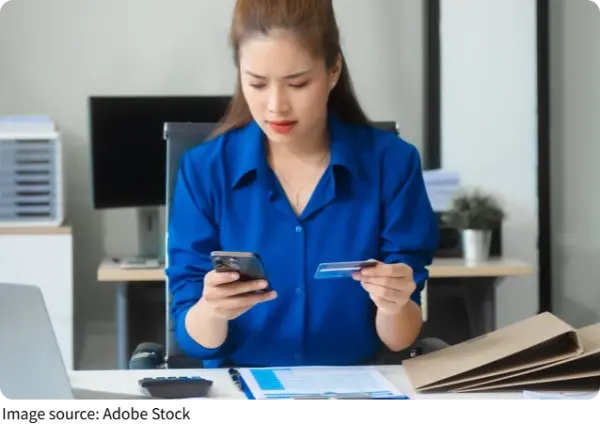
Hey Lykkers! Let's kick things off with a quick, honest question: have you ever gone out for a "quick bite," paid with your card, and then a month later stared at your statement wondering, "How did I spend that much?"
If you're nodding, don't worry—you're in the majority. It’s a strangely common experience. Swiping a piece of plastic (or tapping your phone) just doesn’t feel the same as handing over cold, hard cash. But why?
It turns out there's a whole fascinating science behind this, and understanding it is the first step to taking back control of your spending.
The "Pain of Paying": Your Brain on Cash vs. Card
At the heart of this spending mystery is a concept called the "Pain of Paying," first introduced by Ofer Zellermayer. It describes the psychological discomfort experienced when spending money, which acts as a natural brake on our spending. Behavioral economist Dan Ariely further explains that credit cards and digital payments reduce this pain, making it easier for people to spend more impulsively.
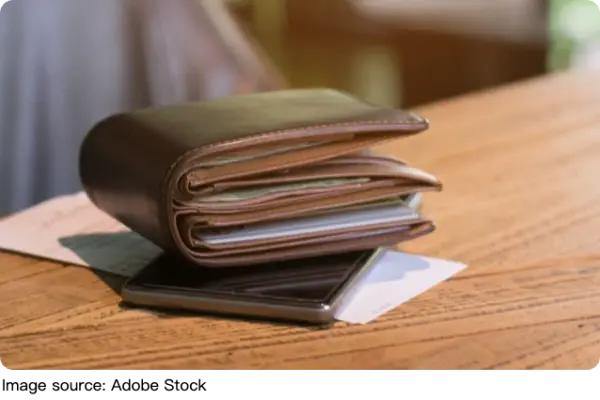
When you pull bills from your wallet, the pain is immediate and visceral. You see your wallet get thinner. You feel the physical exchange. This discomfort makes you question the purchase: "Is this coffee really worth my last $5?"
But when you use a credit card? That pain is anaesthetized. The transaction is clean, abstract, and fast. You're not handing over "your money"; you're just swiping a card. The actual financial consequence is delayed, sometimes for weeks, until the statement arrives. By then, the thrill of your new purchase has long faded, leaving only the "ouch" of the bill.
The Doorway to Dopamine: The Reward Circuit
Now, let's add fuel to the fire: your brain's reward system. When you buy something you want—a new gadget, a nice meal, a trendy outfit—your brain releases a little shot of dopamine, the "feel-good" neurotransmitter. This creates a powerful sense of pleasure and satisfaction.
Credit cards expertly exploit this system. They make the act of purchasing so seamless that the dopamine hit comes fast and strong, with none of the immediate "pain" of paying to dampen it. This creates a dangerously efficient loop: see it, want it, tap to buy, feel good. Rinse and repeat.
This is why we're so susceptible to impulse buys at the checkout counter. The barrier to that instant gratification is incredibly low.
Flipping the Script: How to Spend More Mindfully
So, how do we fight back against our own wiring? It's not about cancelling all your cards, but about introducing friction and awareness.
1. The "Cash Envelope" Test: For one month, try using cash for your discretionary spending like dining out and entertainment. Physically feeling the money leave your hands can reset your sense of value. It’s a powerful, short-term reality check.
2. Mental Accounting: Before you tap, pause. Ask yourself: "If I had to pay for this with cash from my wallet right now, would I still buy it?" This simple mental switch can reactivate the "pain of paying" and help you distinguish between a want and a need.
3. Turn on Notifications: This is a modern-day superpower. Enable instant push notifications for every transaction on your phone. That immediate "ping" and the alert showing your account balance dip brings the abstract back into reality, making the cost feel tangible again.
The goal isn't to stop enjoying the convenience and rewards of credit cards. It's to become aware of their psychological power. By understanding the game, you can play it smarter.
Next time you reach for your card, take one conscious breath. Your brain—and your wallet—will thank you for it.
Stay mindful, Lykkers!